There was a time when the thought of checking your health meant waiting for a doctor’s appointment, driving to a clinic, sitting in a waiting room, and then maybe waiting days for the results. Now, that whole process is changing. Home blood testing is stepping up as a convenient, quick, and surprisingly accurate way to understand what’s going on inside your body—without ever leaving your house. And let’s be real, who doesn’t want to skip the awkward small talk in waiting rooms?
With Home Blood Testing from Blue Horizon Blood Tests, you can access professional health checks quickly and discreetly. Order online today and enjoy trusted results backed by a dedicated medical team.
What is Home Blood Testing?
At its core, home blood testing is exactly what it sounds like: you take a small sample of your blood at home, send it to a lab (or in some cases, get instant results), and receive insights about your health. The thing is, this isn’t just a trendy gadget. It’s a legitimate tool that many people are now using for everything from basic wellness checks to tracking chronic conditions. Whether you’re looking to monitor cholesterol, blood sugar, hormones, or vitamin levels, the process is designed to make health tracking more personal and accessible.
Taking care of your health starts with understanding your body better. For men who want to stay on top of their overall fitness and hormone balance, male health blood tests are a reliable choice. At the same time, it’s important to keep track of your mental wellbeing, and mental health blood tests can provide valuable insights. If you want to make sure your diet is supporting your body’s needs, nutritional blood tests are a great way to check for any deficiencies. Together, these tests can help you make informed decisions about your health and lifestyle.
Why People Are Turning to Home Blood Testing
Here’s the deal: life is busy, healthcare is complicated, and a lot of us want answers faster. Home blood testing has become popular because it offers convenience and a sense of control. Instead of waiting weeks for an appointment, you can order a kit online, prick your finger, and boom—you’re already on your way to answers.
Another reason people love it? Privacy. Some tests feel a little too personal to talk about openly, and being able to handle it discreetly at home just makes sense. Plus, for folks who have anxiety around clinics or needles, the smaller at-home kits feel a lot less intimidating.
How Home Blood Testing Works
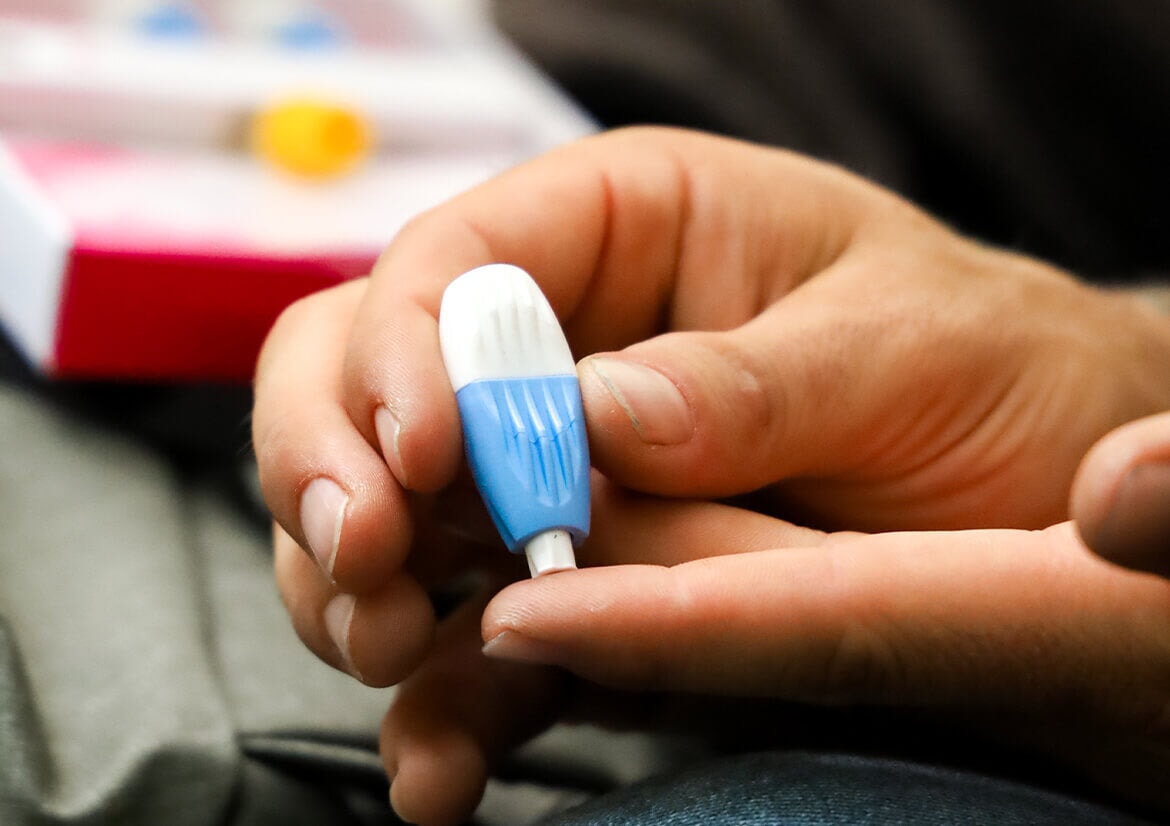
So how does this actually happen? Most kits are built around a simple finger-prick method. You clean your finger, use a tiny lancet to draw a drop or two of blood, and then place that sample onto a collection card or into a small vial. After that, you mail it off in the pre-labeled envelope, and the lab takes care of the rest.
Some newer devices even connect to apps on your phone, giving you results in minutes. The tech side of it is honestly pretty impressive. Labs are regulated and follow the same standards as the ones your doctor uses. So the accuracy, when done correctly, can be just as reliable as what you’d get in a traditional clinic.
The Benefits You Can’t Ignore
The obvious advantage is convenience, but that’s not the whole story. Home blood testing allows people to be proactive rather than reactive about health. Instead of waiting until something feels “off,” you can track your wellness regularly and catch potential problems early.
Another perk? Personalization. Let’s say you’re adjusting your diet or starting a new workout routine. Instead of guessing if it’s making a difference, you can measure real changes in things like vitamin D levels, cholesterol, or inflammation markers. It makes your health journey feel more measurable, less like guesswork.
Things to Keep in Mind
Now, it wouldn’t be fair to paint this as flawless. Home blood testing does have some limitations. For one, not every test can be done at home. Complex diagnostics, like imaging or highly specialized panels, still require a doctor’s office or hospital visit. There’s also the chance of user error—if you don’t collect the sample correctly, the results may not be accurate.
And here’s the kicker: while these tests can tell you a lot, they don’t replace professional medical advice. A low vitamin level or unusual hormone reading isn’t the end of the story. You’ll still want to follow up with your doctor to put the results in context. Think of home blood testing as a tool, not the whole toolbox.
Who Should Consider Home Blood Testing?
Honestly, it’s for almost anyone who wants to know more about their body without jumping through hoops. Busy professionals who don’t have time for constant checkups, people managing chronic conditions who need frequent monitoring, or even wellness enthusiasts who just like to keep tabs on their numbers—it works for all of them.
It’s also a game changer for people living in rural areas where access to healthcare is limited. Instead of traveling hours to see a doctor, they can handle the basics from home and only make the trip if something concerning shows up.
The Future of Home Blood Testing
The technology is moving fast. We’re already seeing devices that give instant results and integrate directly with health apps, creating a more complete picture of your well-being. It’s not hard to imagine a near future where home blood testing becomes as normal as checking your weight or tracking your steps.
In fact, some insurance companies and wellness programs are starting to encourage these at-home kits as part of preventive healthcare. That alone shows how seriously the medical field is taking this shift.
Final Thoughts
At the end of the day, home blood testing isn’t about replacing doctors or hospitals. It’s about putting more knowledge in your hands, giving you the chance to catch things early, and making health monitoring less of a hassle. The truth is, the more informed you are, the better choices you can make for your lifestyle, your diet, and your overall well-being.
So, if you’ve been curious about your health but dreading the traditional process, this might be the step that finally makes it manageable. Healthcare doesn’t have to be intimidating or inconvenient anymore—and that’s something worth getting excited about.
About the Author